Cycling continues to attract new riders and dedicated enthusiasts alike. As more people get involved in the sport, product preferences are shifting. Tyres and wheels are receiving more attention, not just from riders, but from the retailers serving them. Interest in quality components has grown steadily, and shops are adjusting their shelves accordingly.
Advancements in tyre technology are now shaping what customers expect from performance gear. At the same time, stock choices and buying behaviour are changing how shops operate. Retailers who pay attention to these trends are finding ways to keep customers satisfied while improving their own margins.
Market Shifts in Bike Tyre Demand




Retailers are seeing changes in what sells, and it’s no coincidence. Riders are researching more before making a purchase. Performance, comfort, and terrain-specific choices are driving sales across the board.
Mountain biking continues to gain popularity. With it comes demand for tyres that handle rougher conditions. Thicker tread, stronger sidewalls, and enhanced grip are all priorities for this group. For road cycling, weight and rolling resistance still lead, but there’s a growing interest in hybrid use, especially for commuters who want a smooth ride without giving up reliability.
Customer feedback shows buyers are interested in tubeless compatibility, durability, and ease of installation. Brands offering reliable performance without too much fuss are earning repeat business. Keeping up with this interest means paying attention to what’s being asked in-store and online.
Technology at the Tread: Innovation Drivers
Product development in tyres and wheels has moved quickly. Manufacturers are introducing new compounds designed to last longer, roll smoother, and resist punctures. These improvements aren’t only for elite riders. They appeal to anyone who wants fewer repairs and better handling on varied surfaces.
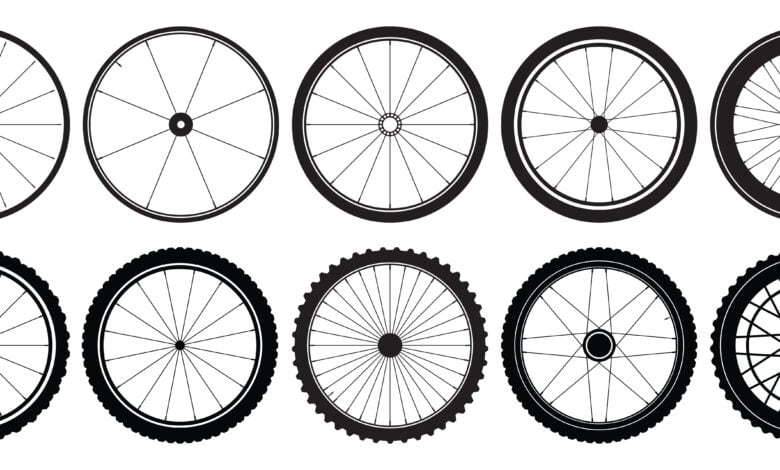
Some tyres now use advanced rubber blends that maintain grip without wearing out too soon. Tread patterns have also become more refined. It’s easier to find products tailored to specific terrain, —loose, wet, dry, or mixed. PSI tuning and sidewall technology offer more control and ride stability.
Retail Strategy: What’s Selling and Why
Understanding what’s moving off the shelves involves more than checking sales reports. Retailers who stay connected to customer preferences notice patterns early. For example, tyres designed for mixed terrain use have seen a rise in interest, especially among cyclists who switch between tarmac and trails.
Customers often ask about how long tyres last and how they handle under load. Durability, weight, and ease of repair are common themes. Offering options across price points allows more people to make informed decisions without feeling overwhelmed.
Retailers catering to mountain bike riders have noticed stronger demand for robust wheelsets. The need for durable wheels for mountain biking has led to an increase in related accessory purchases too, such as tubeless sealant and reinforced inner tubes. Stocking complementary products encourages add-on sales and creates a smoother experience for buyers.
Challenges in Stock and Supply
Retailers continue to manage uncertainty in product availability. Supply issues have affected everything from raw rubber to shipping routes. Knowing which brands maintain steady inventory helps reduce wait times for customers.
Ordering patterns have had to adjust. Some retailers now buy more in advance or form agreements with suppliers to guarantee availability. This limits missed sales and builds stronger relationships with manufacturers.
Clear communication helps here. Letting customers know when popular items will be back in stock creates realistic expectations. It also gives shops a chance to offer alternatives that meet similar performance needs.
Diversifying the brands on display has become a smart tactic. Instead of relying on one supplier, having several options spreads the risk and allows flexibility when delays happen. Product education should include all stocked brands to ensure staff can speak confidently about each option.
Outlook for 2025 and Beyond
Cycling is showing no signs of slowing down. Retailers expect continued growth, especially in the commuter and leisure categories. E-bikes are contributing to tyre development too, with increased focus on supporting higher speeds and loads safely.
Brands are working on smart solutions. Features like tyre pressure sensors and wear indicators are being tested and refined. These additions aim to give riders more control and information during their rides, and they could become standard features within a few years.
Another growing factor is sustainability. More brands are looking for ways to reduce environmental impact, from materials sourcing to packaging. Retailers may soon have to choose between competing on price or leading on ethics. Being ready to speak about eco-friendly product lines could become a valuable selling point.
Building trust through knowledge and service remains a strong strategy for shops looking to grow. It’s not just about selling the newest item. It’s about explaining what suits each rider’s goals and habits. As long as customers feel understood, they’re more likely to return.
Ready to Keep Pace with Changing Demand?
Staying ahead in the bike retail sector means paying attention to what riders care about most. Tyres and wheels have become more than just parts; they’re essential choices that affect every ride.
Listening to customer feedback, following technology updates, and managing stock with care all help build a better retail experience. Shops that offer thoughtful advice, valid comparisons, and a well-chosen range of products will stay competitive.
Innovation isn’t slowing down, and neither are your customers. Offering the right mix of quality, choice, and service will keep them returning.