When it comes to youth sports development, few disciplines offer the same breadth of physical and cognitive benefits as gymnastics. Often seen as a standalone sport, gymnastics classes for children are also one of the most effective foundational training systems for young athletes across almost every other sport.
From football and basketball to swimming and athletics, the core skills developed through gymnastics – strength, coordination, balance, agility, and spatial awareness – play a critical role in long-term athletic success.
Building Fundamental Movement Skills
At the heart of every sport are basic movement patterns: running, jumping, landing, twisting, pushing, pulling, and balancing. Gymnastics is uniquely structured to develop and refine these foundational skills in a controlled, progressive way.





Young gymnasts are introduced to movement through structured drills that emphasize body control and awareness. These skills help children understand how their bodies move in space, which becomes essential when they later transition into more specialized sports.
Unlike many sports that focus on a narrow skill set, gymnastics develops the full range of physical literacy needed for athletic versatility.
Strength, Flexibility, and Coordination Development
One of the biggest advantages of gymnastics is its balanced approach to physical conditioning. Instead of isolating one aspect of fitness, it develops multiple attributes simultaneously.
- Strength: Bodyweight exercises such as holds, climbs, and controlled movements build functional strength.
- Flexibility: Regular stretching routines enhance mobility and reduce stiffness.
- Coordination: Complex movement sequences improve timing, rhythm, and motor control.
This combination creates athletes who are not only strong but also adaptable – capable of learning new sports skills more efficiently than their peers.
Enhancing Balance and Spatial Awareness
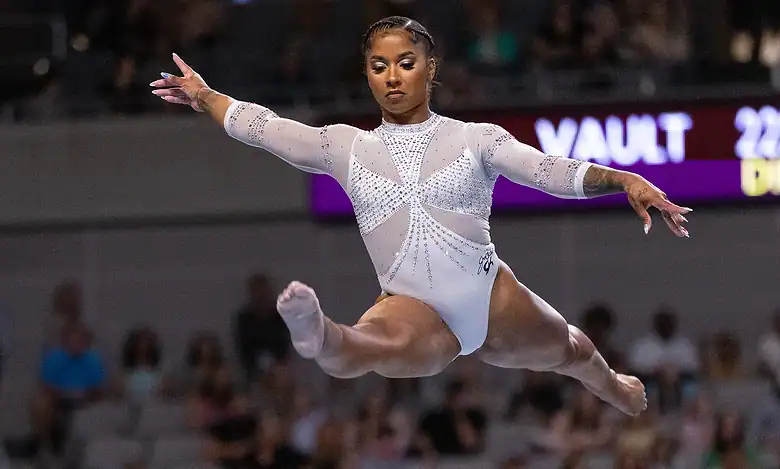
Balance and spatial awareness are critical in nearly every sport, yet they are often underdeveloped in early athletic training. Gymnastics directly targets these abilities through exercises on beams, mats, and floor routines.
Children learn how to maintain control of their bodies in different positions, speeds, and orientations. This improves reaction time and reduces the likelihood of awkward or inefficient movement patterns in other sports.
As a result, young athletes with a gymnastics background often demonstrate superior body control when transitioning into dynamic sports environments.
Injury Prevention and Safe Movement Mechanics
One of the most overlooked benefits of gymnastics is its role in injury prevention. Proper technique in jumping, landing, rolling, and falling is taught from the earliest stages of training.
These skills help children understand how to absorb impact safely and maintain joint stability during movement. Over time, this reduces the risk of common sports injuries such as sprains, strains, and overuse issues.
In addition, gymnastics strengthens stabilizing muscles that support joints, further enhancing long-term physical resilience.
Mental Discipline and Focus
Gymnastics is not just physically demanding – it is also mentally engaging. Athletes must memorize routines, follow precise instructions, and execute movements with accuracy and control.
This level of focus builds concentration, patience, and discipline. Young athletes also learn how to cope with mistakes, improve through repetition, and set achievable performance goals.
These mental skills translate directly into better performance in team sports, individual competitions, and even academic environments.
Transferable Skills Across All Sports
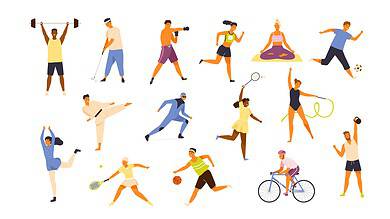
One of the most compelling arguments for gymnastics as a foundation sport is its transferability. Skills developed in gymnastics are directly applicable to a wide range of athletic disciplines:
- In football: improved agility, balance, and coordination
- In basketball: better jumping ability and body control
- In swimming: enhanced core strength and flexibility
- In athletics: improved sprint mechanics and explosive power
- In dance or martial arts: increased rhythm and movement precision
Because gymnastics builds such a comprehensive physical base, athletes often find it easier to specialize in other sports later on.
Supporting Long-Term Athletic Development
Sports scientists and youth development models increasingly emphasize the importance of early diversification in athletics. Rather than specializing too early in one sport, children benefit from exposure to a variety of movement experiences.
Gymnastics fits perfectly into this model by providing structured, progressive physical training during key developmental years.
Programs such as gymnastics classes for children are designed to introduce these skills in a safe, engaging, and age-appropriate environment. This ensures that young athletes develop strong foundations before progressing into more specialized training pathways.
Confidence and Motivation Through Progress
Another key benefit of gymnastics is the visible progression system. Children can clearly see their improvement as they master new skills, from basic rolls and balances to more advanced movements.
This sense of achievement builds confidence and motivates continued participation in sport. It also encourages a growth mindset, where effort and persistence are valued over immediate success.
Such attitudes are essential for long-term athletic and personal development.
Conclusion
Gymnastics is far more than a single sport – it is a comprehensive training system that develops the physical and mental foundations required for athletic success.
By improving strength, coordination, balance, flexibility, and discipline, gymnastics prepares young athletes for performance across virtually any sporting discipline. Whether a child ultimately becomes a footballer, swimmer, runner, or gymnast, the benefits of early gymnastics training will continue to support their development for years to come.
For this reason, gymnastics remains one of the most valuable starting points in any young athlete’s journey.