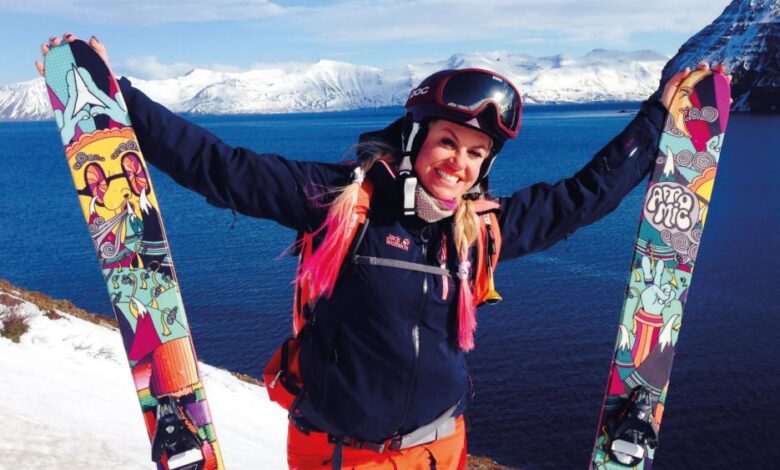
Trying skiing for the first time can feel a bit daunting. Slopes, lift systems, gear, cold weather: there’s a lot to think about, but proper preparation makes the difference. Investing time in choosing suitable gear, learning basic techniques, and knowing how to stay safe ensures your first ski experience is more fun than overwhelming.
Getting the Right Gear
You don’t need to buy everything before your first trip, especially if you won’t ski frequently. Most resorts offer rentals for skis, poles, and boots, and they’ll be fitted for you on arrival. That takes care of the bulky, expensive items you might not use often. However, some items are worth buying for comfort, warmth, and protection. A quality pair of waterproof mittens, ski goggles, thermal base layers, and a good hat are all essentials. Waterproof outerwear and layering are important for staying dry and adapting to changing temperatures. If you have these, you’ll enjoy your time a lot more.
Learn Basic Techniques
Mastering a few basic skiing techniques ahead of time will boost your confidence and decrease the risk of injury. Key skills include turning (often starting with the snowplough or wedge method), balancing on skis, proper posture (lean forward slightly, keep knees flexible), slowing down, stopping, and basic weight shifting. Booking lessons is highly recommended. Just one half-day session can at least set you up with the fundamentals. Many beginners begin lessons or practise at local indoor snow domes or dry slopes before going to mountain resorts. This helps with muscle conditioning, getting used to wearing ski boots, and learning how the lifts work.





Choose a Suitable Resort
Not all ski resorts are beginner-friendly. For your first time, seek the resorts with green or easy blue runs, plentiful nursery slopes, small gradients, and good ski schools. Resorts that provide easy access from nearby airports or train stations can reduce travel fatigue. Resorts in the Alps are particularly popular for good ski schools, clear slope grading, and reliable snow, so bear that in mind when making your choice.
Understand How to Be Safe
Safety is vital. Familiarise yourself with slope etiquette: always look uphill when merging or starting, never stop just below the crest of a hill, and be aware of what slope types you are on. Learn the piste signage so you can pick the runs suitable for your skill level. Also, always warm up first with some stretches or light activity, stay hydrated, rest when tired, and check weather or avalanche warnings where relevant.