For sports brands, retailers and manufacturers, collaborations can unlock and build fan engagement and demand, extend audience reach and acquisition, and boost brand awareness, value, revenue and profit margins.
But these deals don’t happen overnight. Brand Licensing Europe’s Matthieu Battini explains how and when these partnerships are typically struck, why they matter commercially, and why Brand Licensing Europe, 6–8 October at Excel London, is the place to spot opportunities and shape the next wave of sports deals.
Football fans, relax, the 2026 FIFA World Cup is almost here. But the tournament’s worldwide marketing campaign started long before the first whistle blows on 11 June at Mexico City’s iconic Estadio Azteca.


Collaborations are an expected and core part of how brands participate with sport, whether through individual athletes, teams, leagues, associations or entire tournaments. From limited-edition products and fashion drops to collectibles, experiential retail and digital campaigns.
They allow brands to borrow passion, cultural relevance and community from sport, while turning fandom into something tangible on shelf and online. For some, that means reach and awareness; for others, it means premium positioning, new audiences, faster sell-through or entry into new categories. For manufacturers and retailers, collaborations can reduce risk by pairing product innovation with recognisable IP and a built-in fan base.
2026 FIFA World Cup collabs have been igniting fandom and consumer demand for months. And we’re still a week out from watching a game. Early tournament brand collaborations rolled out in November with Adidas’ national team home kits. Puma followed. Away drops, Nike’s national team collections and streetwear and fashion labels like Patta and Jacquemus arrived in Spring.
The World Cup is particularly powerful commercially because it is a global cultural moment uniting 5 billion people and holds relevance way beyond the game and far outside the stadia. So, while replica and/or limited edition kits are the obvious first stop on the merch programme, tournaments impact our daily lives and create spikes in hosting occasions and social gatherings, which make them inclusive for much wider brand categories.
Coca-Cola has launched its Connect & Compete World Cup campaign with ‘opportunities for prizes and experiences’, which includes a collab within a collab thanks to a set of exclusive Panini stickers and digital album.
Other official 2026 FIFA World Cup brand partners include Hyundai-Kia, Visa, Qatar Airways, Unilever (delivering your ‘freshest FIFA World Cup ever’ across 35 brands including Dove and Lynx), Lenovo and Hisense.
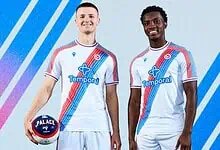
But the standout World Cup collab for me? Well, putting my native and beloved France to one side for a moment, it’s the three-way between Palace Skateboards x Nike x England, because the strongest partnerships are carefully designed stories, products and experiences that feel authentic to all partners.
According to Hypebeast, the collection (which is not yet available) is ‘defined by English football culture’ and celebrates ‘cornerstones of national identity and memories of past World Cup fever.’ They say, ‘What the campaign film makes clear is that the creative thinking behind it matches the ambition of the partnership that produced it.’ It features England legends Wayne Rooney and Jill Scott, plus a little Shakespeare and a lot of street culture. Watch it.
Plan, plan, plan
Major collabs and licensing partnerships do not happen overnight. They are commonly agreed many, many months in advance so brands can secure rights, develop products, align retailers, manage manufacturing timelines and build activation plans. Some top-tier tournament partnerships are negotiated years out, while product-led collaborations and capsule collections may be finalised closer to the event once trends, teams and consumer demand become clearer.
Conversations for the FIFA Women’s World Cup, Rugby World Cup and Cricket World Cup in 2027 and the ‘Euros’ and Summer Olympics in 2028 will be well underway, with the main partners no doubt already locked in. Looking beyond, we have the EUFA Women’s Euro, Women’s Rugby World Cup and Women’s Cricket World Cup tournaments all slated for 2029. These are massive brand and collab opps as women’s sport is exploding in terms of participation, reputation, audience and revenue potential.
Discover partners for your next sports collabs at Brand Licensing Europe
The only pan-European annual event dedicated to licensing and brand extension, Brand Licensing Europe has been the starting point for thousands of collaborations over the years: the meeting point for brand owners, retailers, manufacturers and licensing partners looking to turn consumer passion into consumer products.
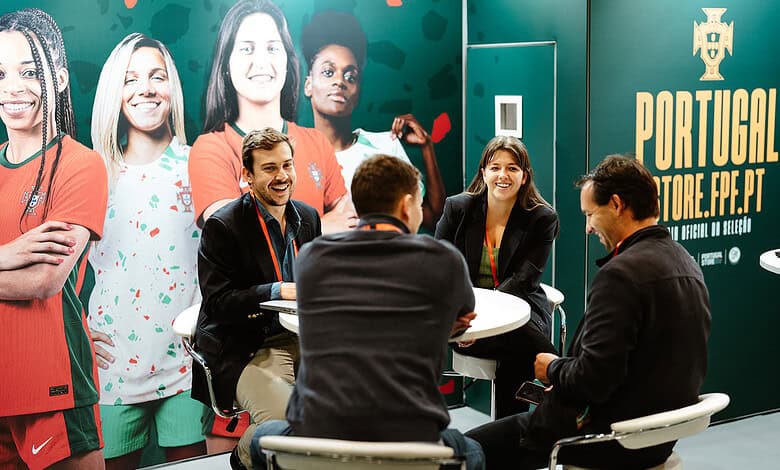
This year’s event (6–8 October at Excel London) will feature its biggest sports zone yet, with new exhibiting brands such as the ATP Tour, alongside FC Barcelona, Formula 1, UEFA Club Competitions, Manchester City FC, Tour de France, Ballon d’or, Galatasaray, 24 Hour Le Mans, French Football Association, Legends, The Springboks, Moto GP, Newcastle United, FC Porto, Federacao Portuguesa de Futebol, Sport Lisboa e Benfica and Sporting Clube de Portugal, with more to come.
Thousands of retailers and manufacturers also attend, including many aligned with 2026 FIFA World Cup consumer products like Marks & Spencer, Zara, Tesco, Next, Fanatics, Asda and Sainsbury’s.
Free to attend for all sports brands, retailers and manufacturers until October 5, Brand Licensing Europe is the best and most efficient way to see the market, meet the right people and move from inspiration to deal-making. It takes place 6-8 October at Excel London. And registration is open now.