Sports licensing and collaboration have been powerful marketing and revenue generation tools for decades but it’s entering a new phase. Football may have written the playbook, but now the field is wide open and we’re seeing a shift from safe merchandising and kit deals to ambitious, cross-industry partnerships that tap into fashion, art, technology, lifestyle culture and more.
Ahead of Brand Licensing Europe (7–9 October), we hear from Matthieu Battini, EMEA sales director, who explains why if you’re in kit manufacturing, retail or brand management, this show is the place to be.
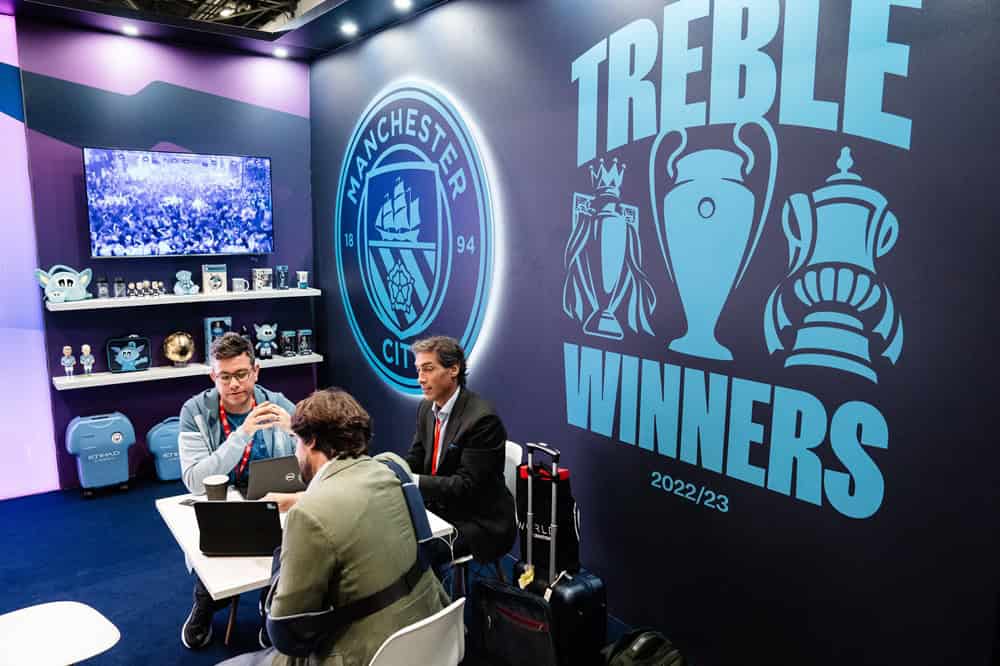
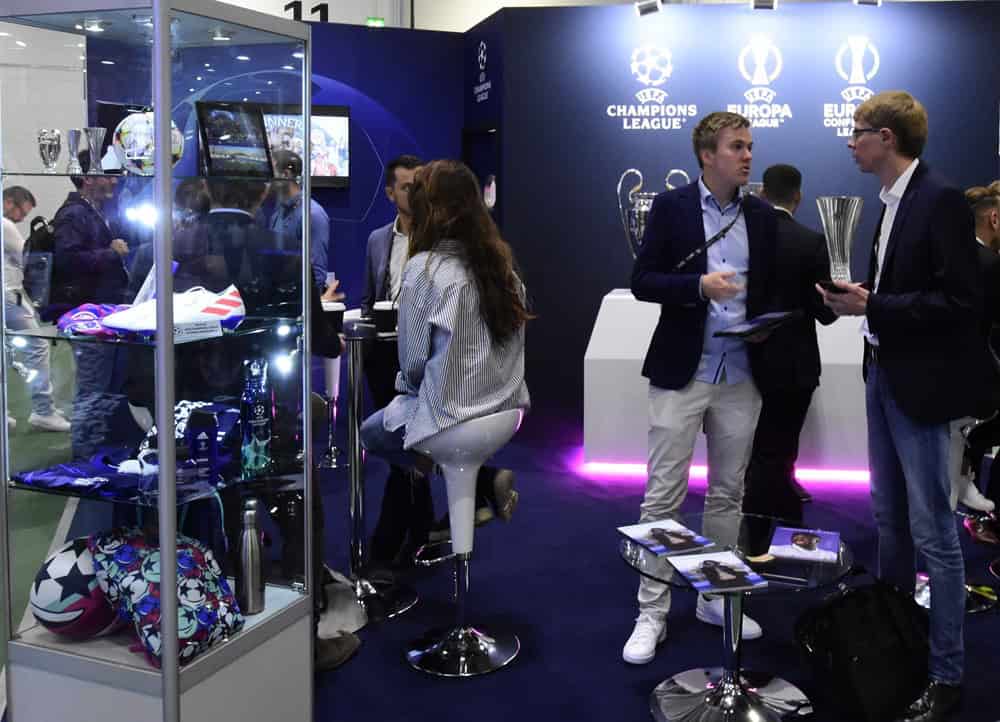
While football remains at the forefront of brand licensing (and a plethora of European clubs including Liverpool, Arsenal, FC Barcelona, Benfica, Manchester City, Newcastle, Real Madrid, the French Football Federation and more, are represented at BLE in October,) there’s a clear shift happening as more niche sports and sports-related brands outside of club football embrace licensing with fresh energy. Rugby, cycling and motor sports have been regular exhibitors at BLE and advocates for licensing in general, and this year we’re excited to welcome THE sport on everyone’s lips – pickleball – as well as the uber prestigious Ballon d’Or and the exciting new Kings League.



And who can blame them for wanting a piece of the action? Industry trade association Licensing International’s 2025 Global Licensing Industry Study revealed that global sales revenue from sports properties grew 3.6% to reach $40.8 billion in 2024 and the sporting goods product category also grew 3.1% to reach $15.7 billion. For sports brand owners, retailers and manufacturers, the message is clear: the sports licensing opportunity is bigger, more diverse and more creative than ever before.
Football: The original collaboration powerhouse
European and UK football has long been fertile ground for licensing. Clubs have loyal fan bases, global visibility and deeply embedded brand identities: perfect conditions for collaborations that merge performance with lifestyle appeal. And recent years have seen a surge of bold, innovative partnerships that go far beyond the standard replica kit.
In the UK, these include:
Nike × Chelsea – “Our House” 2025/2026 Home Kit: featuring textured prints of London landmarks like Chelsea Town Hall, woven into high-performance Dri-FIT ADV fabric. It’s a celebration of place as much as sport, reinforcing the club’s connection to its home city.
C.P. Company × Manchester City: Italian streetwear icon C.P. Company became Manchester City’s official fashionwear partner in July 2024; a collaboration that blurs the lines between matchday apparel and street style, appealing to a younger, style-driven audience.
L’Oréal Paris × Arsenal: In March 2025, Arsenal announced L’Oréal Paris as its official men’s haircare brand, an inspired pairing that shows how licensing can bring new product categories – and new audiences – into football.
Walthamstow FC × William Morris Gallery × Admiral Sportswear: An older partnership, but one that’s still worth revisiting, with the result being hailed the best looking football shirt in the country, even inspiring a film about it. At the grassroots level, Walthamstow FC’s kit partnership with the William Morris Gallery and Admiral Sportswear turned socialist art and design into a football shirt, with proceeds supporting the women’s team. It’s licensing with purpose, blending community heritage with commercial potential.
Continental creativity: European clubs set the bar
Brand licensing innovation in football isn’t limited to the UK. Far from it. Across Europe, clubs are experimenting with heritage-driven design, tech-integrated merchandise and celebrity tie-ins.
- Juventus × Inbetweeners × adidas: A summer 2024 “phygital” launch of 1,897 NFT collectibles tied to physical kits featuring Inbetweeners’ teddy bear graphics, linking Web3 culture with football heritage.
- Valencia CF × PUMA – “Blanc-i-negre” & “Torino Red”: Two kits inspired by Valencian architecture and the club’s historic colors, marrying local identity with modern design.
- AC Milan × Off-White™ × PUMA: Off-White’s distinctive aesthetic landed directly on the pitch in early 2025, creating a true streetwear-football hybrid.
- FC Barcelona × Travis Scott: A one-off El Clásico kit limited to 1,899 units, sold in collectible packaging – proving scarcity can drive both hype and sales. Travis Scott followed Drake, The Rolling Stones and Coldplay among the list of major international artists whose logos have featured by FC Barcelona as part of the club’s Spotify sponsorship deal.
These examples highlight why football is still the licensing benchmark: innovation, heritage storytelling, limited-edition scarcity and high-fashion influence all combine to generate fan engagement and commercial impact.
Beyond football: New players enter the licensing game
While football continues to dominate, Brand Licensing Europe 2025 is shaping up to showcase the broader playing field of sports now making licensing and collabs central to their brand strategies.
Ballon d’Or
Ballon d’Or is exhibiting at BLE for the first time this year. Since 2024, it has partnered with UEFA to develop a global sponsorship and licensing strategy, which may be very much in its infancy, with Icons its first licensee for signed football shirt collections, but its ambitions are high with apparel, collectibles, accessories and leather goods all on the radar.
Created in 1956 by France Football magazine, the Ballon d’Or is one of the most prestigious awards in sport. And with a broadcast reach of 5.6 billion people, the Ballon d’Or is using licensing to translate prestige into premium products. Football fans take note: the authentic trophy will be on display in the BLE Sport Zone.
Pickleball: Erve × LOTTO
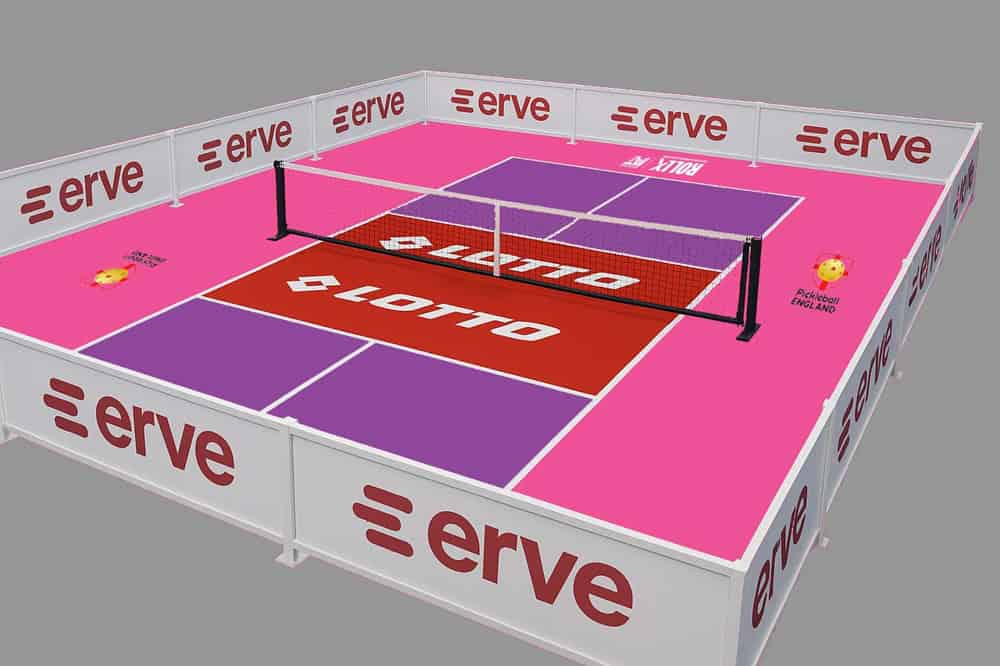
Pickleball – one of the fastest-growing sports globally – is making its BLE debut with a playful activation: a full size pickleball court with visitors invited to pick up a paddle and experience the sport’s energy firsthand. The court is being brought to the show by premier Italian sports brand LOTTO and manufacturer Erve, who have recently signed a licensing partnership that will see Erve design, manufacture and distribute LOTTO-branded lifestyle apparel and accessories across the UK and select European markets.
F1 and Le Mans 24
Motorsport has always had brand appeal, but in 2025, licensing is taking it beyond team merchandise into lifestyle fashion, tech accessories, gaming and even home décor due in part to the success of summer blockbuster F1: The Movie starring Brad Pitt. The endurance classic Le Mans 24 and the global phenomenon of Formula 1 are both using licensing to tap into hardcore fans and broader lifestyle markets.
The unprecedented growth of motorsport is also fuelling renewed interest in its heritage, as fans search for authentic, deeper connections to the sport. Classic Team Lotus, the only historic Formula 1 team still actively competing today, has seen younger audiences engage with story, driven by expansion into new product categories and strong connections to iconic drivers like Jim Clark, Emerson Fittipaldi, Mario Andretti and Ayrton Senna. Meanwhile British Racing Motors, BRM, one of only two teams to ever win a World Championship with a car built entirely in-house, has relaunched and this year marks its 75th anniversary, with a refined, premium positioning, and ambitious plans to go racing again.
Tour de France
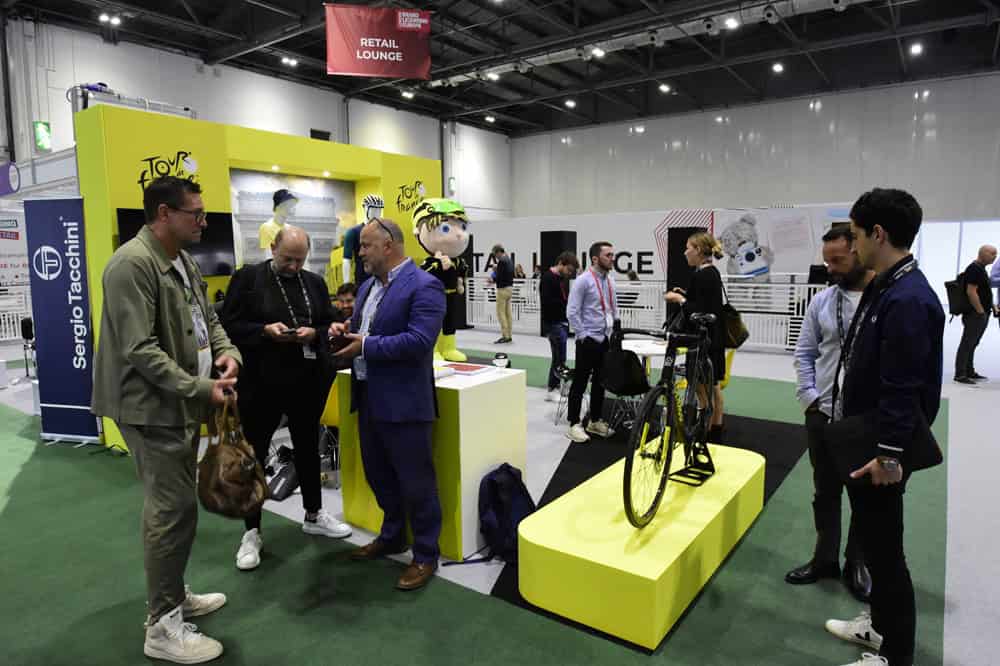
Cycling’s most famous and demanding race has expanded its brand beyond jerseys and bike gear, licensing everything from travel experiences to fashion collaborations. At BLE, the Tour de France is expected to highlight its success in creating products that work both on and off the saddle at a time when the sport is at its peak fandom-wise. This year’s race was watched by a record 4 million+ more viewers than in 2024 and also marked the first French victory since 1989 when Pauline Ferrand-Prévot became the first French woman to win the Tour de France Femmes, securing the victory after a dominant performance throughout the race, including a final stage win.
Rugby and the All Blacks
Rugby licensing has traditionally been more conservative, but brands like the All Blacks are broadening their product categories, focusing on heritage-driven apparel and accessories that resonate with both fans and fashion consumers.
Why the shift matters
The growth and expansion of sports licensing in and into non-football categories signals several important market trends:
- Diversification of revenue streams
Licensing is no longer just about merchandise sales – it’s a multi-channel brand strategy that can drive engagement, build fan communities and open up global retail partnerships.
- Lifestyle positioning
Sports brands are reframing themselves as lifestyle brands. The Ballon d’Or wants to reflect prestige; pickleball aims to embody fun and accessibility; F1 leverages its glamour and tech associations.
- Cross-sector collaboration
Partnerships are increasingly reaching beyond sportswear into beauty, art, tech, hospitality and more – expanding consumer touchpoints and creating new opportunities for manufacturers and retail.
Looking ahead to BLE 2025
With BLE set to welcome both the traditional football powerhouses and an array of other sports properties as exhibitors and visitors, and with over 10,000 brands, retailers and manufacturers in attendance, October’s show will be a snapshot of an industry in expansion mode. Globally, it’s now worth $369.6 billion* and continues to grow faster than retail as a whole.
Football’s role as the trailblazer is undeniable – from Chelsea’s architectural storytelling to Juventus’ NFT-linked kits – but the most exciting story may be how other sports are now applying the same creativity to their own licensing programmes.
For brand owners, retailers, and manufacturers the opportunity lies in thinking beyond the obvious and you can find the answers and plenty more inspiration on the show floor at Brand Licensing Europe in London from 7-9 October – where sport, culture, and commerce collide.
*Licensing International